
Skip to content

Pool Heat Pumps for Inground Pools

Skip to products

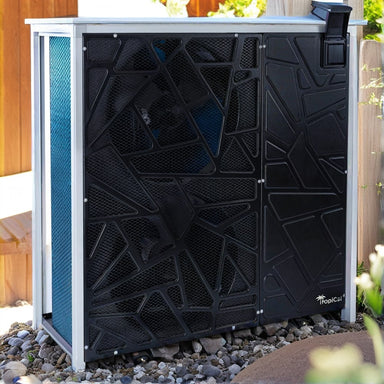
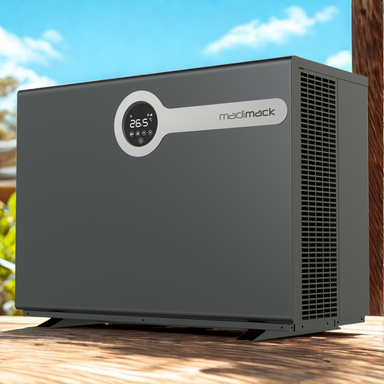
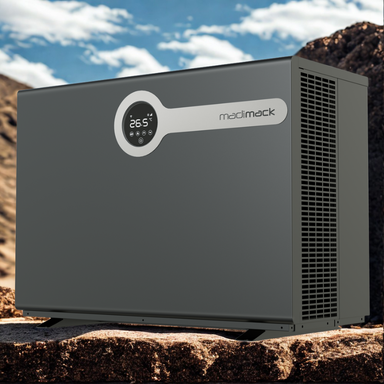
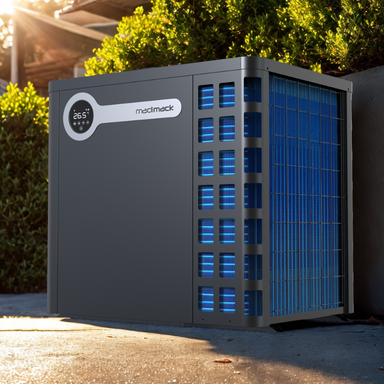
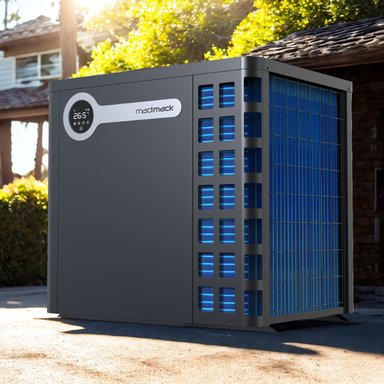
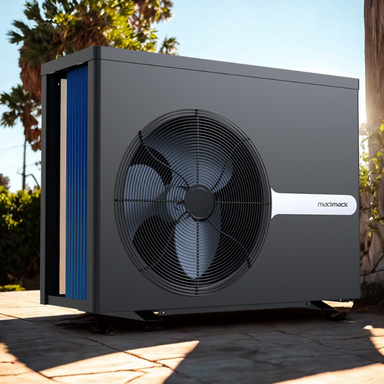
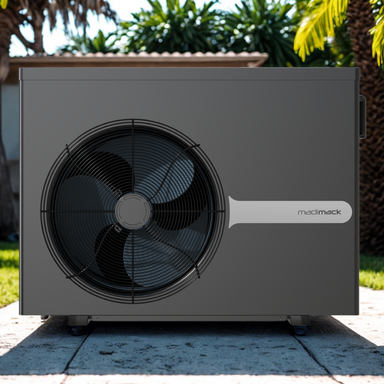
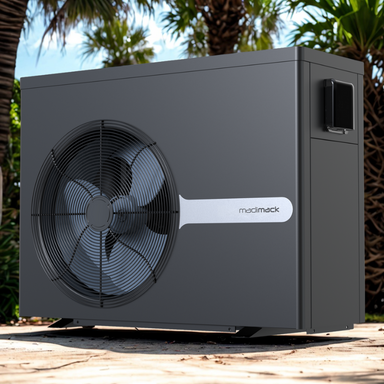
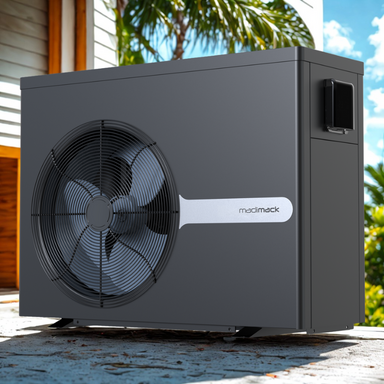
Pool heat pumps for in-ground pools move heat from the surrounding air into your pool water using electricity - no gas line required, no combustion venting, and operating costs typically 50 to 80% lower per BTU than a gas heater in moderate climates. This collection covers heat pumps from AquaCal, FibroPool, GulfStream, Hayward, and Madimack, ranging from 32,000 to 142,000 BTU/hr for in-ground pools up to 35,000 gallons. Most models also cool the pool, making them a year-round tool in warm climates where summer water temperatures can climb into the 90s.

In-Ground Pool Heat Pumps - Brands and Key Differences

Every product in this collection is an air-source heat pump running on 220/240V service. The key differences between models come down to BTU output, inverter vs. single-speed compressor, heat-only vs. heat-and-cool capability, minimum operating temperature, and noise level. Use the filters on this page to narrow by pool size and BTU range, or use the quiz above if you are not sure where to start.

Choosing the Right BTU for Your In-Ground Pool

Heat pump sizing for in-ground pools is primarily about maintaining temperature efficiently rather than rapid recovery from cold. The main factors are pool surface area, climate, and whether the pool is covered when not in use. As a general guide for warm climates like Florida:

In-Ground Pool Heat Pump BTU Sizing Guide
BTU Range Pool Size (Warm Climate) Notes
32,000 - 70,000 BTU Up to 15,000 gallons Smaller in-ground pools, plunge pools
80,000 - 100,000 BTU Up to 20,000 gallons Mid-size residential in-ground pools
100,000 - 125,000 BTU Up to 25,000 gallons Standard residential in-ground pools
125,000 - 142,000 BTU Up to 35,000 gallons Larger in-ground pools

In colder climates or for uncovered pools, size up. If you need faster heat-up from cold - for example, a pool that sits unused for weeks at a time - a gas heater or a gas and heat pump combination may serve you better than a heat pump alone. Browse our pool gas heaters collection to compare.

Inverter vs. Single-Speed In-Ground Pool Heat Pumps

Most models in this collection use an inverter compressor, which adjusts output speed based on demand. Inverter units are quieter, more efficient at maintaining temperature, and tend to have longer compressor life than single-speed models. Single-speed units run at full capacity whenever they cycle on and are a lower upfront cost - a practical choice for pools used seasonally or for buyers who want simplicity over maximum efficiency. If you plan to run the heater consistently to maintain temperature, an inverter model will save money over time.

Heat-Only vs. Heat-and-Cool In-Ground Pool Heat Pumps

Several models in this collection both heat and cool. In Florida and similar climates, pool cooling is a practical consideration - water temperatures in August can reach the low 90s, which is uncomfortable for swimming. A heat-and-cool unit handles both from one piece of equipment without any additional installation. Heat-only models cost less upfront and are the right fit if you are primarily extending your swim season rather than managing summer temperatures. For pools where cooling is the main focus, see our dedicated pool heater chiller collection.

Frequently Asked Questions

How long does it take a heat pump to heat an in-ground pool?

It depends on pool size, starting temperature, and BTU output. A correctly sized heat pump typically raises pool temperature 1 to 2 degrees F per hour. A 20,000 gallon pool starting at 65°F and targeting 82°F could take 8 to 17 hours of run time at full output. Heat pumps are designed for ongoing temperature maintenance rather than fast recovery from cold - if fast heat-up is a priority, consider a gas heater or a gas and heat pump combination.

Do these heat pumps work in cold weather?

Most models in this collection have a minimum operating temperature between 40 and 50 degrees F. Below that threshold, efficiency drops significantly and some units will shut down. Check the individual product page for the specific minimum operating temperature. If you need heating in sustained cold weather, a gas heater does not have this limitation.

Do in-ground pool heat pumps work with saltwater pools?

Yes. All models in this collection are compatible with saltwater pools. Check individual product pages for heat exchanger material and any specific water chemistry requirements.

What electrical service do these units require?

All models in this collection require 220/240V single-phase service. Amperage requirements vary by model and BTU output - check the product page before purchasing to confirm your panel and breaker can support the unit. Installation should be performed by a licensed electrician.

Do you offer installation?

Yes. Visit our installation page for details on connecting with a qualified installer in your area.

Trustpilot