
Skip to content

Pool Heat Pumps

Swimming Pool Heat Pumps for Sale - Every Pool Size, Every Budget

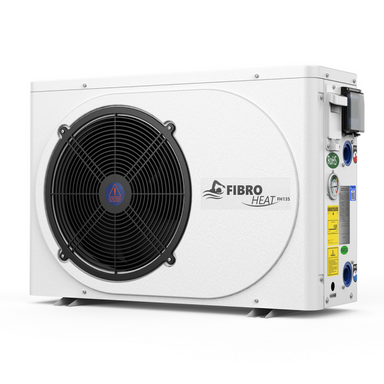
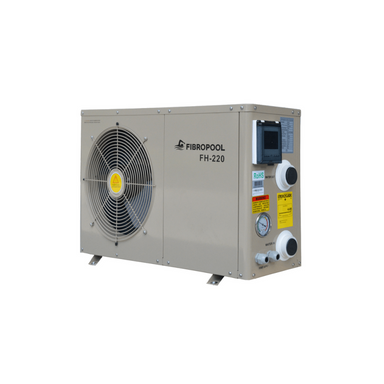
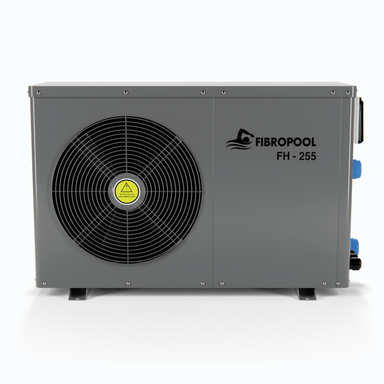
A swimming pool heat pump is the most cost-effective way to extend your swim season. Unlike gas heaters that burn fuel, a heat pump pool heater moves existing heat from the surrounding air into your water, delivering 5 to 6 units of heat for every unit of electricity consumed. Lower monthly bills, a longer swimming season, and a pool that is comfortable when you want to use it.

Every pool heat pump on this page ships free. Models range from compact above ground pool heat pumps to large-pool inverter models that handle over 35,000 gallons. Use the pool heat pump sizing calculator below, then scroll down to browse.

Skip to products

Pool Heat Pump Sizing Calculator

Estimate the BTUs you need based on your pool dimensions and climate. Ballpark numbers work fine.

Select your pool dimensions above to get your BTU estimate

Factors like wind exposure, direct sun, and pool cover use all affect real-world performance. When in doubt, size up. Call us at 800-809-3741 for personalized sizing advice.

Inverter vs. Standard Pool Heat Pumps

This is the most important decision after pool size.

Standard Single-Speed Compressors

Standard compressors cycle fully on and fully off. They are proven, straightforward, and lower upfront cost. A good fit for seasonal or occasional use, or buyers focused on purchase price over running cost.

Inverter Pool Heat Pumps

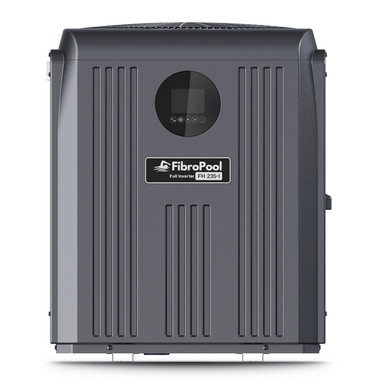
An inverter pool heat pump uses a variable-speed compressor that adjusts output to match what your pool actually needs. It runs steadily at a lower level instead of blasting full power and shutting off. The benefits are quieter operation, 20 to 40% lower electricity costs over a full season, and a longer compressor lifespan. In warm climates with year-round use, the energy savings typically recover the price premium within one to two seasons.

Above ground pool heat pumps: The most compact units in this collection run on 110/120V and plug into any standard outdoor outlet, no electrician required. They are the most practical option for smaller above ground pools. Every other unit requires a dedicated 220-240V, 30-60A circuit.

How Much Does a Pool Heat Pump Cost to Run?

Running cost depends on pool size, target temperature, climate, and whether you use a pool cover. For a typical 15,000 gallon pool in a moderate climate, a standard heat pump costs roughly $80 to $130 per month during swim season. An inverter model for the same pool runs closer to $50 to $95 per month. Gas heaters cost 3 to 5 times more to operate at current energy prices. A pool cover can cut running costs by up to 50% by reducing overnight heat loss.

Pool Heat Pump Installation: What to Know Before You Order

A standard pool heat pump installation involves four connections: water in, water out, electrical supply, and a condensate drain. Most licensed pool or HVAC contractors complete the install in half a day.

Electrical: Most units require a dedicated 220-240V, 30-60A breaker. If you don't have one at your equipment pad, budget $300 to $800 for an electrician. Plumbing: The unit installs inline on your return line, after your filter and before any chlorinator. Clearance: Most manufacturers require 24 to 36 inches of clearance on all sides for adequate airflow.

Need Help With Installation?

We help connect you with qualified local installers, provide technical guidance as you get set up, and put you in direct contact with the manufacturer when needed.

Learn About Our Installation Support

Pool Heat Pump FAQs

What size pool heat pump do I need?

Sizing is based on pool volume and your climate. For a 15,000 gallon pool in a moderate climate, you need roughly 70,000 BTU. In cooler climates like the Northeast or Midwest, size up one tier. Use the calculator above for an estimate based on your pool and location.

How long does a pool heat pump take to heat a pool?

A correctly sized pool heat pump raises water temperature by 1 to 2 degrees F per hour. For a pool starting at 60 F and targeting 82 F, expect 12 to 24 hours. A pool cover can cut that time nearly in half by preventing overnight heat loss.

Do pool heat pumps work in cold weather?

Pool heat pumps extract heat from the surrounding air, so efficiency drops as air temperature falls. Most standard units operate effectively down to 45 to 50 degrees F. Cold-weather-rated inverter models operate down to 14 degrees F, making them practical for shoulder-season swimming in cold climates.

What is the difference between an inverter and a standard pool heat pump?

A standard pool heat pump runs its compressor at full power and cycles on and off. An inverter adjusts output continuously to match demand. Inverter models use 20 to 40% less electricity over a season, run quieter, and typically last longer. The tradeoff is a higher upfront price, usually $500 to $1,500 more than a comparable standard unit.

Can a pool heat pump heat a spa or hot tub?

Many pool heat pumps are rated for pool and spa use. Check the product page for spa compatibility before ordering. The main consideration: heat pumps raise temperature at 1 to 2 degrees F per hour, which works well for maintaining a spa already at temperature but is slow for heating from cold. If you need a spa ready in under an hour on demand, a gas heater is better suited for that use case.

Trustpilot