

Filters
Pool Cleaners
Robotic Pool Cleaners, Salt Systems, and AOP Water Treatment
Keeping a pool clean means addressing two separate problems: physical debris on the floor and walls, and the ongoing chemical balance of the water itself. This collection covers both. Browse robotic and cordless pool vacuums that scrub and collect debris autonomously, salt chlorine generators that produce chlorine on-demand from dissolved salt, and advanced oxidation (AOP) systems that dramatically reduce the chemical load your pool requires.
Pool Sanitization and Cleaning Systems: What to Know Before You Buy
Salt systems and AOP systems are installed inline with your existing pool plumbing and require a licensed electrician or pool professional for installation. Robotic cleaners plug into a standard outlet and require no plumbing work. If you are unsure which type of system fits your pool, call the Nonstop Swim team at 800-809-3741. We can size a salt system to your pool volume and recommend the right cleaner for your pool type and surface.
Frequently asked questions
What is the difference between a salt system and an AOP system?
A salt chlorine generator (such as the AutoPilot ChlorSync or Pool Pilot Evolve) converts dissolved salt into chlorine using electrolysis. The pool still uses chlorine as its primary sanitizer; the salt system just automates and continuously replenishes its production. An AOP system (such as the Clear Comfort CCW50 or CCW100) uses hydroxyl radicals to oxidize contaminants at a molecular level, neutralizing chloramines, bacteria, and other compounds that chlorine alone cannot effectively destroy. Many pool owners combine both: a salt system as the primary sanitizer and an AOP system to handle what chlorine misses, resulting in dramatically lower chemical demand and softer-feeling water.
Do robotic pool cleaners work with above ground pools?
Yes, though not every model is designed for above ground pools. The AutoPilot AquaClean is a good entry-level option suitable for most above ground pool surfaces. The Madimack GT Freedom cordless series is designed for inground pools. Check the individual product page or use the pool type filter on this page to narrow your options. Cordless robotic cleaners are particularly convenient as they do not require a power cable reaching across the pool deck.
How do I size a salt chlorine generator for my pool?
Salt systems are rated by the maximum pool volume they can service. For example, the Pool Pilot Evolve with PPM1 manifold handles pools up to 30,000 gallons, while the PPM5 manifold version handles up to 70,000 gallons. The ChlorSync CS30, CS40, and CS50 are sized for progressively larger residential pools. As a general rule, it is better to size up rather than run a salt cell at maximum capacity, as this extends the life of the cell considerably. Call us at 800-809-3741 if you need help selecting the right model for your pool volume.
Can I use a salt system and an AOP system together?
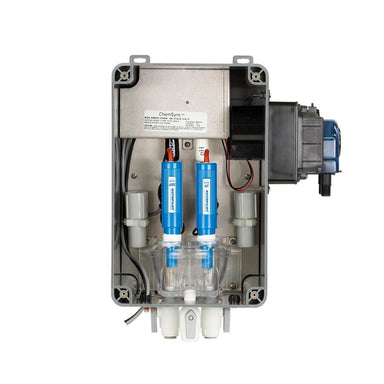
Yes, and it is a common and effective combination. The salt system handles ongoing chlorine production while the AOP system oxidizes the contaminants and combined chlorines that accumulate over time. Together, the two systems can reduce the need for supplemental chemicals, shock treatments, and manual adjustments. The AutoPilot ChemSync Water Chemistry Controller takes this further by also automating pH and ORP monitoring alongside chlorine production.
Does a salt pool feel different to swim in?
Generally, yes. Salt pools maintained at the correct salinity (typically around 2,700 to 3,400 ppm) tend to feel softer and silkier on the skin than traditionally chlorinated pools. Eye and skin irritation is reduced because the system avoids the chloramine buildup common in manually dosed pools. The salt concentration is far lower than ocean water and is not noticeable as a taste or smell at normal operating levels.
How long do salt cells last, and can they be replaced?
Salt cells typically last 3 to 7 years depending on pool chemistry, usage frequency, and whether the cell is correctly sized for the pool volume. Running a cell at or above its rated capacity shortens its life. Replacement cells are available for AutoPilot systems -- the PPC1 through PPC5 AutoPilot replacement cells are stocked in this collection at a significant discount off MSRP. Replacing only the cell rather than the full power center is typically all that is needed after a cell reaches end of life.
Will a robotic cleaner replace regular brushing and vacuuming?
For most pools, yes. Robotic cleaners with active scrubbing brushes (such as the Dolphin Nautilus CC Pro and the Madimack GT Freedom series) agitate and collect debris from the floor, walls, and waterline, reducing the need for manual brushing. They operate independently of the pool pump and filter, so they do not add load to your circulation system. That said, no robotic cleaner eliminates the occasional need to skim the surface or spot-treat algae, particularly after heavy use or storms.
Robotic Pool Cleaners, Salt Systems, and AOP Water Treatment
Keeping a pool clean means addressing two separate problems: physical debris on the floor and walls, and the ongoing chemical balance of the water itself. This collection covers both. Browse robotic and cordless pool vacuums that scrub and collect debris autonomously, salt chlorine generators that produce chlorine on-demand from dissolved salt, and advanced oxidation (AOP) systems that dramatically reduce the chemical load your pool requires.
Pool Sanitization and Cleaning Systems: What to Know Before You Buy
Salt systems and AOP systems are installed inline with your existing pool plumbing and require a licensed electrician or pool professional for installation. Robotic cleaners plug into a standard outlet and require no plumbing work. If you are unsure which type of system fits your pool, call the Nonstop Swim team at 800-809-3741. We can size a salt system to your pool volume and recommend the right cleaner for your pool type and surface.
Frequently asked questions
What is the difference between a salt system and an AOP system?
A salt chlorine generator (such as the AutoPilot ChlorSync or Pool Pilot Evolve) converts dissolved salt into chlorine using electrolysis. The pool still uses chlorine as its primary sanitizer; the salt system just automates and continuously replenishes its production. An AOP system (such as the Clear Comfort CCW50 or CCW100) uses hydroxyl radicals to oxidize contaminants at a molecular level, neutralizing chloramines, bacteria, and other compounds that chlorine alone cannot effectively destroy. Many pool owners combine both: a salt system as the primary sanitizer and an AOP system to handle what chlorine misses, resulting in dramatically lower chemical demand and softer-feeling water.
Do robotic pool cleaners work with above ground pools?
Yes, though not every model is designed for above ground pools. The AutoPilot AquaClean is a good entry-level option suitable for most above ground pool surfaces. The Madimack GT Freedom cordless series is designed for inground pools. Check the individual product page or use the pool type filter on this page to narrow your options. Cordless robotic cleaners are particularly convenient as they do not require a power cable reaching across the pool deck.
How do I size a salt chlorine generator for my pool?
Salt systems are rated by the maximum pool volume they can service. For example, the Pool Pilot Evolve with PPM1 manifold handles pools up to 30,000 gallons, while the PPM5 manifold version handles up to 70,000 gallons. The ChlorSync CS30, CS40, and CS50 are sized for progressively larger residential pools. As a general rule, it is better to size up rather than run a salt cell at maximum capacity, as this extends the life of the cell considerably. Call us at 800-809-3741 if you need help selecting the right model for your pool volume.
Can I use a salt system and an AOP system together?
Yes, and it is a common and effective combination. The salt system handles ongoing chlorine production while the AOP system oxidizes the contaminants and combined chlorines that accumulate over time. Together, the two systems can reduce the need for supplemental chemicals, shock treatments, and manual adjustments. The AutoPilot ChemSync Water Chemistry Controller takes this further by also automating pH and ORP monitoring alongside chlorine production.
Does a salt pool feel different to swim in?
Generally, yes. Salt pools maintained at the correct salinity (typically around 2,700 to 3,400 ppm) tend to feel softer and silkier on the skin than traditionally chlorinated pools. Eye and skin irritation is reduced because the system avoids the chloramine buildup common in manually dosed pools. The salt concentration is far lower than ocean water and is not noticeable as a taste or smell at normal operating levels.
How long do salt cells last, and can they be replaced?
Salt cells typically last 3 to 7 years depending on pool chemistry, usage frequency, and whether the cell is correctly sized for the pool volume. Running a cell at or above its rated capacity shortens its life. Replacement cells are available for AutoPilot systems -- the PPC1 through PPC5 AutoPilot replacement cells are stocked in this collection at a significant discount off MSRP. Replacing only the cell rather than the full power center is typically all that is needed after a cell reaches end of life.
Will a robotic cleaner replace regular brushing and vacuuming?
For most pools, yes. Robotic cleaners with active scrubbing brushes (such as the Dolphin Nautilus CC Pro and the Madimack GT Freedom series) agitate and collect debris from the floor, walls, and waterline, reducing the need for manual brushing. They operate independently of the pool pump and filter, so they do not add load to your circulation system. That said, no robotic cleaner eliminates the occasional need to skim the surface or spot-treat algae, particularly after heavy use or storms.