
Skip to content

Electric Pool Heaters

Skip to products

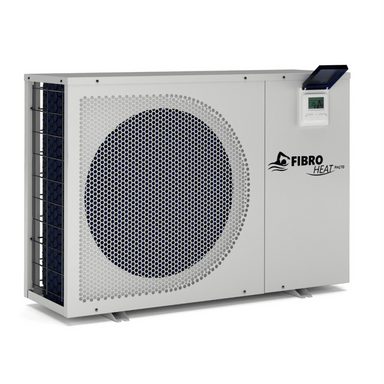
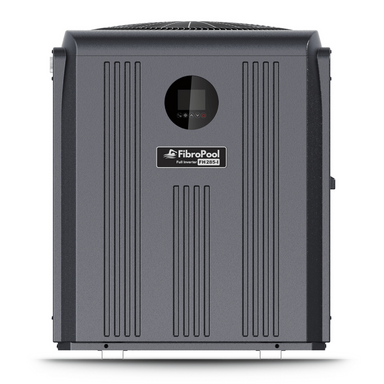
Electric pool heaters - more accurately called pool heat pumps - use electricity to move heat from the surrounding air into your pool water rather than generating heat by burning fuel. That process makes them significantly more efficient than gas heaters in moderate climates, with operating costs typically 50 to 80% lower per BTU delivered. This collection covers heat pumps from AquaCal, FibroPool, GulfStream, Hayward, and Madimack, ranging from 20,000 to 142,000 BTU/hr for above-ground and in-ground pools.

Electric Pool Heat Pumps - Brands and What Sets Them Apart

Every product in this collection is an air-source heat pump. They all run on standard 220V service (some smaller FibroPool models run on 110/120V) and require no gas line or combustion venting. Key differences between brands and models come down to BTU output, inverter vs. single-speed compressor, heat-only vs. heat-and-cool capability, minimum operating temperature, and noise level. Use the filters on this page to narrow by pool size, BTU range, and pool type.

Inverter vs. Single-Speed Pool Heat Pumps

Most models in this collection use an inverter compressor, which adjusts its speed based on demand rather than running at full power constantly. Inverter heat pumps are quieter, more efficient at maintaining temperature, and have longer compressor life than single-speed units. Single-speed models are less expensive upfront and still perform well - they just run at full output whenever they're on, which uses more electricity for temperature maintenance than an inverter would. If you plan to run the heater frequently for ongoing temperature maintenance, an inverter model will save money over time. If you're heating occasionally or on a tighter budget, a single-speed unit is a practical choice.

Heat-Only vs. Heat-and-Cool Pool Heat Pumps

Several models in this collection also cool the pool, not just heat it. In Florida and other warm climates, pool cooling is a real consideration - water temperatures in August can climb into the 90s, which makes swimming uncomfortable. A heat-and-cool unit handles both directions from one piece of equipment. Heat-only models cost less but cannot cool. If you're in a warm climate and swim through summer, the heat-and-cool option is worth the price difference. If you're primarily extending your swim season in a cooler climate, heat-only is sufficient. Browse our dedicated pool heater chiller collection if cooling is your primary focus.

Choosing the Right BTU for Your Pool

Heat pump BTU sizing works differently from gas heater sizing. Heat pumps run continuously to maintain temperature rather than firing at full output for short recovery cycles. The key sizing factors are pool surface area, climate, and whether the pool is covered when not in use. As a general guide for warm climates:

Electric Pool Heat Pump BTU Sizing Guide
BTU Range Pool Size (Warm Climate) Typical Use
20,000 - 35,000 BTU Up to 7,500 gallons Small above-ground pools, spas
40,000 - 70,000 BTU Up to 15,000 gallons Mid-size above-ground, small in-ground
100,000 - 125,000 BTU Up to 25,000 gallons Mid-size in-ground pools
125,000 - 142,000 BTU Up to 35,000 gallons Larger in-ground pools

In colder climates, size up. Pools without covers lose heat faster and need more BTUs to maintain temperature. If your pool is over 35,000 gallons, see our pool heat pumps collection for larger-capacity options.

Electric Pool Heat Pump vs. Gas Heater - Which Is Right for You?

Heat pumps are the more efficient choice for pools used regularly in moderate to warm climates - lower monthly operating costs, no gas line required, and many models also cool the pool. Gas heaters heat water faster and maintain full output at any air temperature, making them the better fit for pools that sit unused for long stretches, cold climates, or situations where speed matters more than efficiency. For large pools or spa combinations that need fast recovery, a gas heater - or a gas heater paired with a heat pump - is worth considering. Browse our pool gas heaters collection to compare.

Frequently Asked Questions

Are these actually "electric" heaters or heat pumps?

They are heat pumps, which are electric-powered but work differently from a resistance heater. Instead of converting electricity directly to heat (like a space heater), a heat pump moves heat from the ambient air into the pool water using a refrigerant cycle. That process produces 3 to 6 BTUs of heat for every BTU of electricity consumed, which is why operating costs are much lower than gas heaters or resistance heaters. The term "electric pool heater" is commonly used for this category even though heat pump is the more precise term.

What is the minimum air temperature for a heat pump to work?

Most models in this collection have a minimum operating temperature between 40 and 50 degrees F. Below that threshold, there is not enough heat in the ambient air for the unit to operate efficiently. Check the individual product page for the minimum operating temperature of the specific model you are considering. If you need heating in cold weather, a gas heater does not have this limitation.

Do these heat pumps work with saltwater pools?

Yes. All models in this collection are compatible with saltwater pools. Check the individual product page for heat exchanger material and any specific water chemistry requirements for the model you are considering.

What electrical service do these units require?

Most models in this collection require 220/240V single-phase service. Some smaller FibroPool models run on 110/120V. Amperage requirements vary by model - check the product page before purchasing to confirm your electrical panel and breaker size can support the unit. Installation should be performed by a licensed electrician.

Do you offer installation?

Yes. Visit our installation page for details on connecting with a qualified installer in your area.

Trustpilot